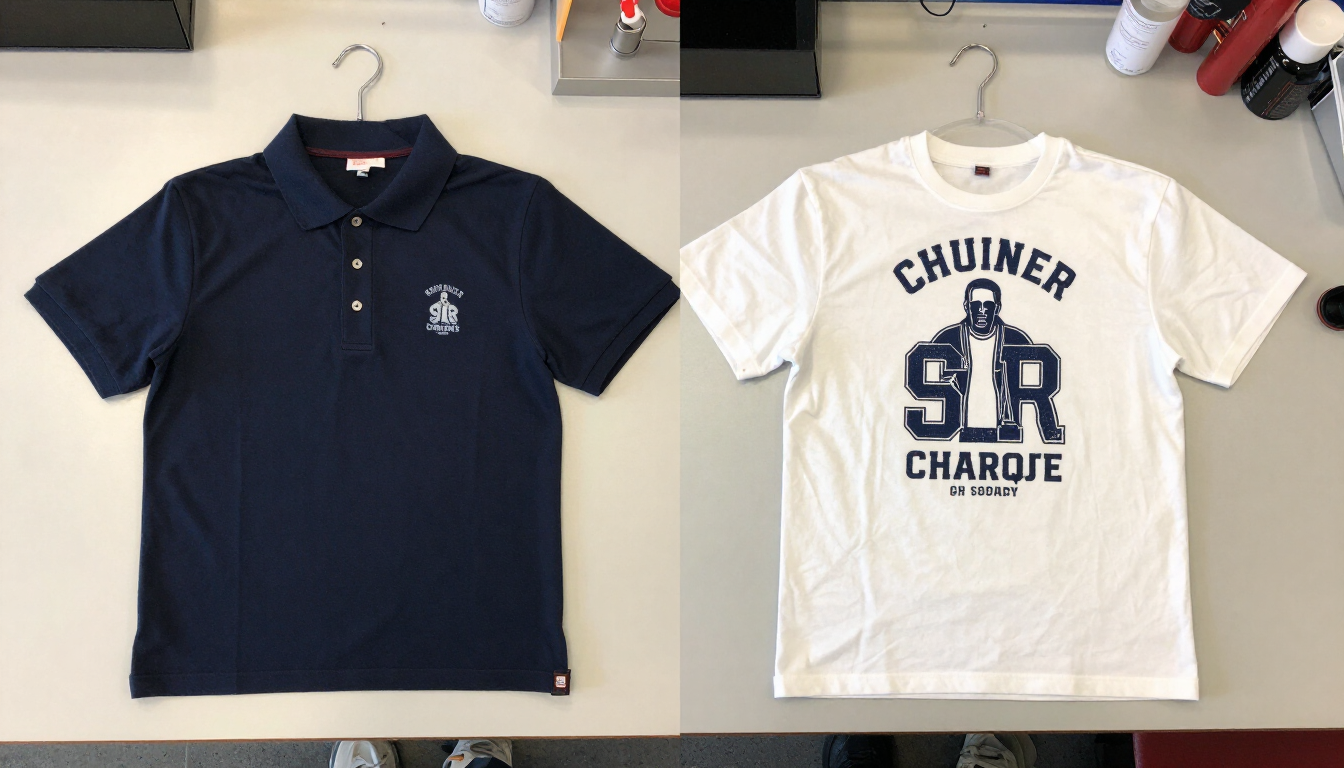
When a uniform or signage order arrives wrong, the reflex is to blame the supplier. Sometimes that is fair. Just as often, the item is exactly what was ordered, it simply was not what the customer meant. The colour was matched to a screen grab instead of a Pantone reference, the logo was placed where the file suggested rather than where you pictured it, the garment was the style you named rather than the one you had in mind. These are communication failures, and they are entirely preventable. A supplier who understands branding will draw the right detail out of you; but the more clearly you can express what you need, the less is left to chance. This guide shows you how.
Why clear communication is essential for branding projects
Branding sits at the intersection of taste, technical specification and commercial intent, which makes it unusually easy to misunderstand. Words like "navy", "big logo" or "premium finish" mean different things to different people. Unless those words are pinned to something concrete, an exact colour reference, a measured logo size, a named garment, everyone involved is quietly working from their own assumptions until the product proves them wrong.
Clear communication removes that risk. It replaces interpretation with specification, so the sample you approve and the bulk order you receive are the same thing you imagined. It also speeds everything up, because a supplier who has the full brief up front does not have to stop and ask, and you do not have to remake.
Common miscommunications between businesses and suppliers
The classic mismatch is colour. A logo approved on a bright office monitor rarely matches the same colour stitched in thread or printed on fabric unless a physical colour standard is agreed. The second is artwork quality: sending a small logo pulled from a website leaves the supplier to recreate or stretch it, and the result is rarely what you pictured. The third is placement and size, described in vague terms rather than measured. The fourth is scope, assuming a supplier will "handle everything" without agreeing exactly what that includes.
Each of these grows when a supplier treats you as an order number. The fix is partly on them and partly on you: give concrete inputs, and choose a supplier who asks concrete questions back.
How to define and communicate your branding vision
Start with your artwork in the highest quality format you have, ideally a vector file, and state your exact brand colours using Pantone or a named reference rather than a screenshot. Describe where the logo should sit and roughly how large, and name or show examples of the garment styles and signage types you want. Explain the context too: who will wear or see it, the environment, and the impression you are aiming for. Context lets a good supplier make sensible recommendations rather than guessing.
Questions to ask suppliers before you commit
Ask how they will match your brand colours and whether you will see a physical sample before bulk production. Ask what artwork format they need and whether they will hold it for future reorders. Ask about lead times, what could delay them, and who your point of contact is. Ask whether decoration, garments, signage and promotional items can all be managed by one team so your branding stays consistent. The answers tell you quickly whether a supplier understands branding or simply fulfils orders.
How Elite Branding Co ensures understanding through consultation
We start every project with a proper consultation rather than a price list. We take your artwork into production ready format, agree exact thread and ink colours against physical standards, and confirm placement, sizing and garment choices before anything is made. You approve a sample, so what you see is what you get across the full run.
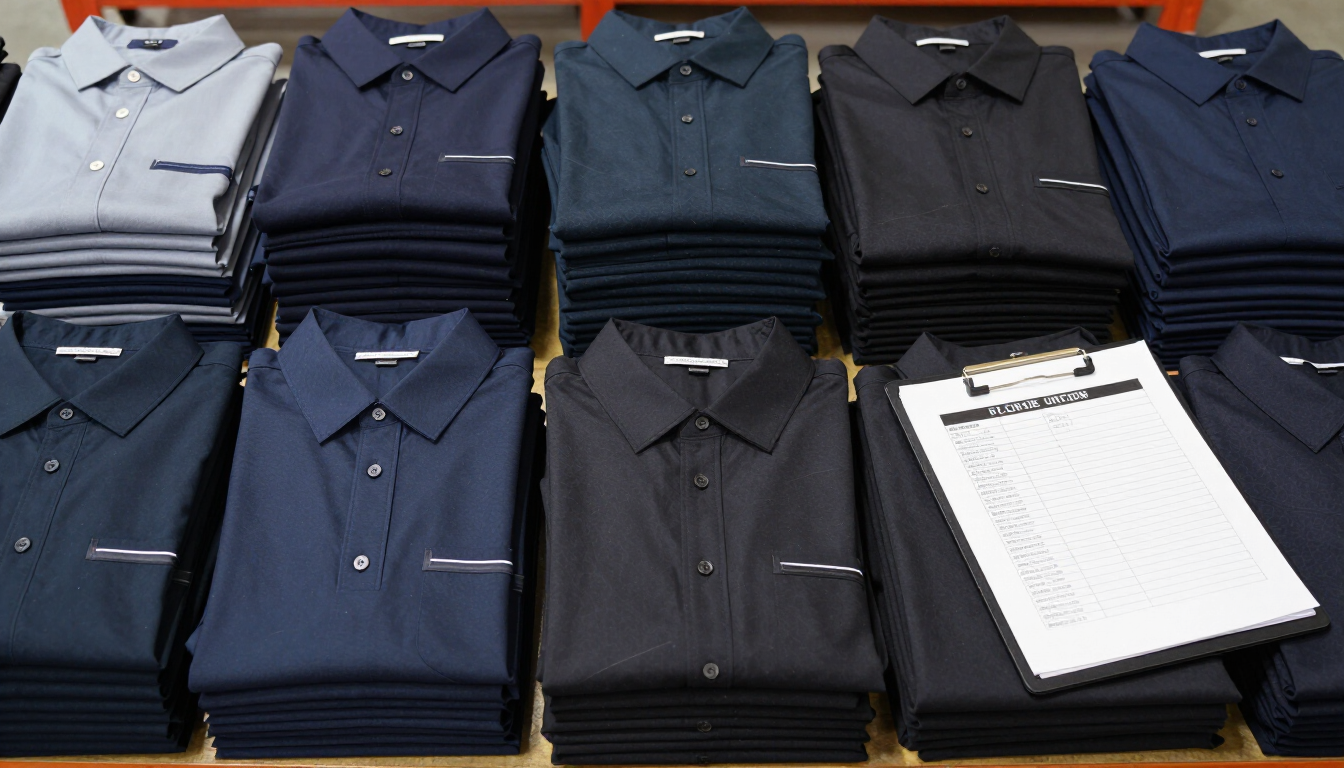
A recent example makes the point. An expanding Brisbane services business came to us after two previous suppliers delivered polos in three noticeably different blues. We consolidated their artwork, locked a single colour standard and documented placement, then reproduced it consistently across embroidered uniforms, printed workwear and vehicle signage. Their team now reorders in minutes, confident every item will match, because the requirements were captured once, clearly, at the start.
Key takeaways
- Wrong orders are usually communication gaps, not supplier errors.
- Pin vague words to concrete references: colours, sizes, garments.
- Supply high quality vector artwork and named brand colours.
- Ask suppliers how they match colour, sample and hold artwork.
- A consultation led supplier captures requirements once, clearly.
Related services & reading
Planning a uniform or branding program?
Talk to our team for clear pricing, garment recommendations and a rollout plan tailored to your business.
Frequently asked questions

Uniform & Branding Specialists
The Elite Branding Team
The Elite Branding team designs, decorates and manages uniform and branded apparel programs for Australian organisations of every size. With more than 15 years supplying corporate uniforms, industrial workwear and promotional branding across the country, we share practical, no nonsense guidance for the people who actually buy and manage these programs.